hvac high pressure switch manual reset
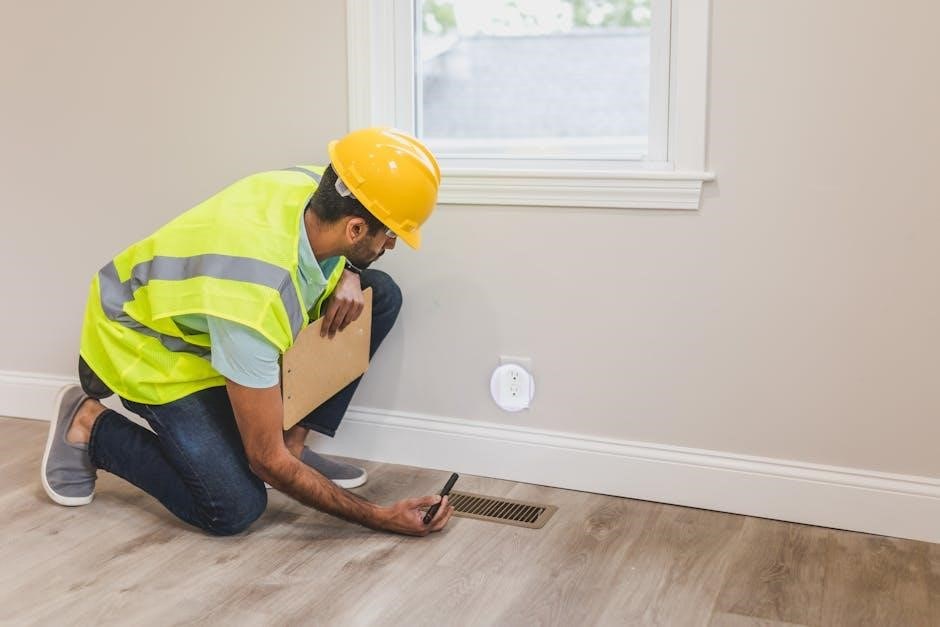
HVAC High Pressure Switch Manual Reset: A Comprehensive Guide
Understanding the intricacies of your HVAC system’s high pressure switch is crucial for maintaining optimal performance and preventing costly repairs, ensuring longevity.
Understanding the Role of a High Pressure Switch
A high pressure switch is a vital safety component within your HVAC system, diligently monitoring refrigerant pressure levels. Its primary function is to protect the compressor – the heart of your cooling system – from potentially damaging, excessively high pressures. These switches act as a crucial safeguard, preventing catastrophic failures that could lead to expensive repairs or complete system replacement.
Essentially, the switch controls the compressor’s operation, initiating a shutdown when pressure exceeds safe limits. This prevents overstressing the compressor, which can occur due to refrigerant overcharge, restricted airflow, or other system malfunctions. By halting operation, the switch mitigates the risk of component damage and ensures the longevity of your HVAC investment. It’s a proactive measure against costly breakdowns.
What Does an AC Pressure Switch Do?
An AC pressure switch functions as a critical safety device, constantly observing refrigerant pressure within your system. It’s designed to detect both high and low pressure conditions, acting as a gatekeeper for the compressor. When abnormal pressure levels are identified, the switch sends signals to either start or stop the compressor, preventing potential damage from operating outside safe parameters.
Specifically, it protects against over-pressurization, which can occur from refrigerant overcharge or blocked airflow, and under-pressurization, often caused by refrigerant leaks. This proactive control prevents costly compressor failures and extends the overall lifespan of your HVAC unit. The switch essentially ensures the compressor operates only within its designed limits, safeguarding the entire system’s integrity and efficiency.

High vs. Low Pressure Switches: Key Differences
While both high and low pressure switches protect the compressor, they respond to opposite conditions. A high pressure switch activates when refrigerant pressure exceeds a safe upper limit, typically due to overcharging or restricted airflow – like a dirty air filter or blocked condenser coils. Its purpose is to prevent the compressor from being overwhelmed and potentially damaged by excessive force.
Conversely, a low pressure switch triggers when refrigerant pressure drops too low, often indicating a refrigerant leak. This prevents the compressor from running without adequate lubrication, which can lead to rapid wear and tear. Essentially, the high-pressure switch guards against too much pressure, while the low-pressure switch protects against too little, both ensuring safe and efficient compressor operation.
Causes of a Tripping High Pressure Switch
Several factors can cause this switch to trip, including refrigerant overcharge, restricted airflow, blocked condenser coils, a failing fan motor, or compressor issues.
Refrigerant Overcharge
A refrigerant overcharge is a common culprit behind a tripped high-pressure switch. When the system contains too much refrigerant, it elevates the pressure within the sealed system to dangerous levels. This excessive pressure triggers the switch as a safety mechanism, shutting down the compressor to prevent potential damage. It’s crucial to understand that refrigerant levels must be precise for optimal HVAC operation; too little or too much can cause significant problems.
Identifying an overcharge typically requires a qualified HVAC technician using specialized gauges to measure refrigerant pressures. Simply adding refrigerant without proper assessment can exacerbate the issue. Correcting an overcharge involves carefully removing the excess refrigerant, restoring the system to its manufacturer-specified levels. Ignoring this issue can lead to compressor failure and other costly repairs, making prompt attention essential.
Restricted Airflow – Dirty Air Filter
Reduced airflow, often stemming from a dirty air filter, is a frequent cause of high-pressure switch trips. A clogged filter restricts the return air to the evaporator coil, causing it to become excessively cold. This temperature drop leads to the refrigerant pressure decreasing, and subsequently, the head pressure rises. The high-pressure switch then activates, protecting the compressor from potential damage due to the imbalance.
Regular air filter replacement is a simple yet vital preventative measure. A clean filter ensures adequate airflow, allowing the system to operate efficiently and preventing unnecessary strain on components. Checking the filter monthly, and replacing it every 1-3 months depending on usage and filter type, is recommended. Ignoring this basic maintenance task can lead to more serious and expensive HVAC issues beyond just a tripped pressure switch.
Blocked Condenser Coils
Dirty or blocked condenser coils significantly impede the system’s ability to release heat, directly contributing to increased refrigerant pressure. Debris like leaves, grass clippings, and dirt accumulate on the coils, acting as an insulator and reducing heat transfer efficiency. This causes the refrigerant to overheat, triggering the high-pressure switch as a safety mechanism to prevent compressor failure.
Regular cleaning of the condenser coils is essential for maintaining optimal HVAC performance. At least annually, and more frequently in dusty environments, the coils should be carefully cleaned. Use a fin comb to straighten bent fins and a gentle spray of water (from the inside out) to remove debris. Avoid using harsh chemicals or high-pressure washers, as these can damage the delicate fins. Maintaining clean coils ensures proper heat dissipation and prevents unnecessary pressure build-up.
Faulty Condenser Fan Motor
A malfunctioning condenser fan motor directly impacts the system’s ability to expel heat, leading to elevated refrigerant pressures. The fan’s primary role is to draw air across the condenser coils, facilitating heat transfer. If the motor fails, slows down, or operates intermittently, heat builds up within the system, causing the refrigerant pressure to rise excessively.
This increase in pressure will inevitably trigger the high-pressure switch, shutting down the compressor to prevent damage. Symptoms of a faulty condenser fan motor include a lack of airflow across the outdoor unit, unusual noises emanating from the fan, or a complete lack of fan operation. Diagnosing and replacing a faulty fan motor is crucial for restoring proper system function and preventing repeated tripping of the high-pressure switch. Professional assessment is recommended.
Internal Compressor Issues
Internal compressor problems represent a more serious cause for a tripped high-pressure switch, often indicating significant mechanical failure. Issues like worn piston rings, damaged valves, or a failing compressor head can lead to inefficient compression and increased refrigerant pressure. These internal malfunctions restrict the compressor’s ability to effectively move refrigerant through the system.
Consequently, pressure builds up, activating the safety switch. Unlike simpler fixes, internal compressor issues typically necessitate compressor replacement, a substantial repair. Symptoms include loud banging or grinding noises from the compressor, reduced cooling capacity, and frequent cycling. A qualified HVAC technician must diagnose these problems, as attempting repairs without proper expertise can cause further damage and potentially dangerous situations. Ignoring these signs can lead to complete system failure.

Resetting a High Pressure Switch
Attempting to reset a tripped high pressure switch requires careful consideration; some units feature a manual reset button for convenient restoration.
Locating the Reset Button (If Applicable)
Identifying the reset button, when present, is the first step in restoring operation. Not all high pressure switches are equipped with this feature, particularly within heat pump systems, as noted by industry professionals. If your unit does have one, it’s typically a small, often red or black, button located directly on the switch itself.
The switch is usually found near the compressor, often housed within a protective panel. Carefully remove the panel – always disconnect power first! – and visually inspect the switch. Look for a clearly labeled button, sometimes recessed, that requires a pen or small screwdriver to depress. Refer to your HVAC system’s documentation or the switch’s label for specific guidance. If you cannot locate a reset button, proceed with caution and consider professional assistance.
Manual Reset Procedure – Step-by-Step
Before attempting a manual reset, ensure the system has been powered off at the breaker for at least five minutes. This allows pressure to normalize. Locate the reset button as previously described and, using a small tool like a pen tip, firmly depress it. You may hear a click, indicating the switch has been reset.
Restore power to the HVAC system and observe its operation. If the system restarts and runs normally, the reset was successful. However, if the switch trips again quickly, do not repeatedly reset it. This signals an underlying issue requiring professional attention. Repeated resets can damage the compressor. Monitor the system closely after a successful reset to confirm stable operation and prevent further tripping.
Why Some Switches Don’t Have a Reset Button
Not all high-pressure switches are equipped with a manual reset button. Many modern systems utilize automatic reset switches, designed to cycle the compressor off and attempt to restart once pressure normalizes. These switches rely on the system resolving the pressure issue independently.
Furthermore, some heat pump or AC systems, particularly older models or those with specific designs, simply lack a reset mechanism altogether. These switches are intended to lock out the compressor until a qualified technician diagnoses and corrects the underlying problem. Attempting to bypass or force restart a system without a reset button can lead to severe compressor damage and void warranties. Always consult a professional if your system lacks a manual reset.

Preventative Maintenance to Avoid Tripping
Proactive maintenance, including regular filter changes and coil cleaning, is essential for preventing high-pressure switch trips and ensuring efficient HVAC operation.
Regular Air Filter Replacement
Maintaining a clean air filter is arguably the simplest, yet most impactful, preventative measure you can take. A dirty air filter restricts airflow across the evaporator coil, leading to reduced cooling capacity and increased pressure within the refrigerant lines. This restricted airflow is a primary cause of high-pressure switch activation, as the system struggles to operate efficiently;
Frequency of replacement depends on factors like filter type, household size, and presence of pets. Generally, a basic fiberglass filter should be replaced monthly, while pleated filters can last 3-6 months. Regularly inspecting the filter visually is recommended; if it appears clogged with dust and debris, it’s time for a replacement. Ignoring this simple task can lead to compressor strain and potential system failure, ultimately costing more in repairs than the price of a new filter.
Condenser Coil Cleaning
The condenser coil, located in the outdoor unit, is responsible for releasing heat from the refrigerant. When these coils become covered in dirt, leaves, grass clippings, or other debris, their ability to dissipate heat is significantly reduced. This leads to increased refrigerant pressure and temperature, potentially triggering the high-pressure switch as a safety mechanism to protect the compressor.
Regular cleaning, ideally at least once a year, is essential. Gently remove debris with a soft brush or vacuum cleaner. For stubborn dirt, a coil cleaner specifically designed for HVAC systems can be used, following the manufacturer’s instructions carefully. Avoid using high-pressure washers, as they can damage the delicate fins. Maintaining clean condenser coils ensures efficient heat exchange, preventing excessive pressure buildup and reducing the likelihood of a tripped high-pressure switch.
Professional HVAC System Inspection
While preventative maintenance tasks are valuable, a comprehensive annual inspection by a qualified HVAC technician is paramount. A professional can identify subtle issues that homeowners might miss, such as minor refrigerant leaks, electrical problems, or developing compressor issues – all potential causes for a tripping high-pressure switch.
During an inspection, the technician will thoroughly assess refrigerant levels, check for proper airflow, examine electrical connections, and evaluate the overall health of the compressor and other components. They possess specialized tools and expertise to diagnose underlying problems accurately and recommend appropriate solutions. Proactive inspections can prevent minor issues from escalating into major, costly repairs and ensure your HVAC system operates safely and efficiently, minimizing the risk of future high-pressure switch trips.
Refrigerant Level Checks
Maintaining the correct refrigerant level is critical for proper HVAC operation and preventing high-pressure switch trips. Both overcharging and undercharging can trigger the switch. A professional HVAC technician uses specialized gauges and tools to accurately measure refrigerant levels, ensuring they fall within the manufacturer’s specified range.
Low refrigerant, often due to a leak, causes low pressure, but can indirectly lead to high pressure as the system struggles. Overcharging forces excessive pressure on the compressor and other components. Technicians not only check the level but also actively search for leaks and repair them before recharging the system. Regular refrigerant checks, ideally during annual inspections, are a proactive step in preventing switch tripping and extending the lifespan of your HVAC equipment, ensuring optimal cooling and heating performance.
Safety Precautions & Troubleshooting
Always prioritize safety when dealing with HVAC systems; refrigerant handling requires professional expertise due to potential hazards and complex system interactions.
Working with Refrigerant – Important Warnings
Refrigerant handling demands extreme caution, as it presents significant risks. It can cause frostbite upon skin contact and displace oxygen, leading to asphyxiation in enclosed spaces. Never attempt to open refrigerant lines or handle the substance without proper EPA certification and specialized equipment.
Improper handling can also damage the environment, as many refrigerants are potent greenhouse gases. Leaks contribute to ozone depletion and climate change, making responsible practices essential. Always rely on a qualified HVAC technician for any refrigerant-related services, including leak detection, repair, and recharging.
Furthermore, understand that refrigerants are under high pressure, and attempting to disconnect lines without depressurizing the system can result in severe injury. Prioritize safety and professional assistance to avoid these hazards and ensure the longevity of your HVAC system.
When to Call a Professional HVAC Technician
If you’ve repeatedly reset the high pressure switch, or if it continues to trip shortly after resetting, it’s a clear indication of an underlying issue requiring professional attention. Don’t attempt multiple resets, as this can potentially damage the compressor.
Similarly, if you suspect a refrigerant leak, or if you’re uncomfortable working with electrical components, immediately contact a qualified HVAC technician. Refrigerant handling requires EPA certification, and electrical work can be dangerous.
US Heating and Air Conditioning, with its 24/7 availability since 1974, offers expert diagnosis and repair services. They can accurately pinpoint the root cause of the problem – whether it’s a refrigerant issue, airflow restriction, or compressor malfunction – and provide a lasting solution, ensuring your system’s efficiency and safety.
Diagnosing Underlying Issues Before Resetting
Before attempting to reset a tripped high pressure switch, it’s vital to investigate the potential causes. Simply resetting without addressing the root problem is a temporary fix and can lead to further damage. Begin by checking the air filter; a dirty filter restricts airflow, causing pressure to build up.
Next, inspect the condenser coils for blockages – dirt, debris, or vegetation can impede heat exchange. Ensure the condenser fan motor is functioning correctly, as a faulty motor reduces airflow. Remember, the switch reacts to pressures within the sealed system containing refrigerant.
Consider that a refrigerant overcharge or leak can also trigger the switch. If you’re unsure about any of these checks, or suspect a more complex issue, consulting a professional like US Heating and Air Conditioning is highly recommended for accurate diagnosis.

Types of HVAC Systems & Pressure Switches
Different HVAC configurations—packaged, split, and heat pump systems—integrate pressure switches uniquely, impacting placement and refrigerant pressure monitoring for optimal system protection.
Packaged Systems and Pressure Switch Integration
Packaged HVAC systems, containing all components in a single unit, typically have the high-pressure switch directly integrated into the system’s control panel. This switch monitors refrigerant pressures within the sealed system, reacting to abnormal levels – both high and low – that could indicate a problem. Unlike split systems, troubleshooting access can sometimes be more confined within the unit’s casing.
Because these systems are self-contained, the pressure switch plays a vital role in protecting the compressor from damage due to excessive pressure. US Heating and Air Conditioning highlights the importance of these systems, and proper functioning of components like the pressure switch, for reliable operation. Identifying the switch location often requires consulting the unit’s specific wiring diagram, as manufacturers vary in their implementation. Regular professional inspections are key to ensuring proper function.
Split Systems and Pressure Switch Placement
In split HVAC systems – those with separate indoor and outdoor units – the high-pressure switch is commonly located on the outdoor condenser unit, near the compressor. It’s integrated into the refrigerant lines, monitoring pressure as it flows between the evaporator coil and the condenser. Accessing the switch usually involves removing an access panel on the unit.
These switches react to the sealed system’s pressures, containing refrigerant. Identifying the exact placement can vary by manufacturer and model, so referencing the system’s wiring diagram is essential. US Heating and Air Conditioning emphasizes the importance of qualified technicians for diagnosing and addressing issues within these systems. Proper diagnosis before any reset attempt is crucial to avoid further damage or safety hazards, ensuring the longevity of the split system.
Heat Pump Systems and Refrigerant Pressures
Heat pump systems, utilizing refrigerant for both heating and cooling, demand precise pressure regulation. These systems often lack dedicated reset buttons or visible pressure switches directly accessible to homeowners, unlike some traditional AC units. The switches react to the sealed system’s low and high pressures containing refrigerant.
Understanding normal operating pressures is vital; heat pumps operate with varying pressures depending on the mode (heating or cooling) and outdoor temperature. A tripping high-pressure switch suggests an underlying issue, potentially a refrigerant leak, restriction, or component failure. US Heating and Air Conditioning stresses the need for professional diagnosis. Attempting a reset without addressing the root cause can lead to compressor damage and system inefficiency, highlighting the importance of expert intervention.
Stuck with a tripped HVAC high pressure switch? Find easy-to-follow manual reset instructions & troubleshooting tips here! Get your AC back on fast.