tennis strings guide

Tennis Strings Guide: A Comprehensive Overview (Updated 12/26/2025)
Navigating the world of tennis strings can be complex, but finding the right strings dramatically impacts performance and comfort on the court.
Choosing the right tennis strings is often overlooked, yet it’s a crucial element in maximizing your game’s potential. Many players meticulously demo rackets, seeking the perfect frame, but neglect to consider how strings significantly influence feel, power, control, and spin. There are four primary string types available: natural gut, multifilament, synthetic gut, and monofilament, each offering a unique playing experience.
Understanding your playing style is paramount. Are you a power player, prioritizing forceful shots? Or do you favor control and precision? Perhaps you’re a spin master, seeking to generate heavy topspin. Selecting strings tailored to your needs can elevate your game. Don’t underestimate the impact of string gauge and tension, as these factors also contribute to comfort and durability.
Understanding String Types
Tennis strings broadly fall into four categories, each with distinct characteristics. Natural gut, historically favored, provides exceptional power, feel, and arm comfort, making it ideal for players prone to tennis elbow, despite its higher cost. Multifilament strings offer a softer feel and enhanced comfort, mimicking natural gut but at a lower price point.
Synthetic gut strings represent a balance of affordability, durability, and playability, serving as a versatile, neutral option for many players. Finally, monofilament strings deliver exceptional durability and control, favored by players who break strings frequently and prioritize precision over feel. Each type caters to different playing styles and preferences, influencing ball response and overall performance.
Natural Gut Strings
Natural gut strings are considered the gold standard for feel, power, and comfort in the tennis world. Crafted from the serous layer of cow or sheep intestines, they offer a uniquely responsive playing experience. While expensive, natural gut provides unparalleled ball pocketing and energy transfer, resulting in significant power and control.

Notably, natural gut is exceptionally kind to the arm, making it a superb choice for players struggling with tennis elbow or seeking maximum comfort. However, they are sensitive to moisture and tension loss, requiring more frequent restringing and careful maintenance. Despite these drawbacks, the unmatched feel and performance continue to make natural gut a favorite among discerning players.
Multifilament Strings
Multifilament strings aim to replicate the feel of natural gut at a more accessible price point. Constructed from numerous tightly packed microfibers, they offer excellent comfort and responsiveness. These strings provide good power and decent control, making them suitable for a wide range of playing styles.
However, multifilament strings generally lack the durability of synthetic gut or monofilament options, requiring more frequent replacement. They also tend to stretch more than other string types, leading to faster tension loss. Despite these limitations, their enhanced comfort and playability make them a popular choice for players prioritizing feel and arm-friendliness, offering a noticeable step up from basic synthetic gut options.
Synthetic Gut Strings
Synthetic gut strings represent the most common choice for recreational to intermediate players, offering a balance of affordability, durability, and playability. Constructed from a single strand of nylon or similar material, they are designed to mimic the feel of natural gut, though they don’t quite reach the same level of comfort or responsiveness.
These strings are known for their consistency and relatively low cost, making them an excellent option for players who frequently break strings or are experimenting with different tensions. While they don’t provide exceptional spin potential, synthetic gut strings offer a neutral feel suitable for all-around players. They are a reliable and practical choice, providing a solid foundation for developing your game.
Monofilament Strings
Monofilament strings, often favored by advanced players, are constructed from a single, solid strand of high-tech polymer. This unique construction delivers exceptional control and durability, making them a popular choice for those who prioritize precision and string longevity. However, they generally offer less comfort and feel compared to multifilament or natural gut options.
Players seeking maximum spin potential often gravitate towards monofilament strings, particularly those within the RPM family, like RPM Rough or RPM Blast. These strings provide a crisp response and excellent ball pocketing, enabling aggressive topspin generation. While stiffer than other types, modern monofilaments are designed to minimize shock and enhance playability, offering a powerful and precise experience on the court.

Key String Characteristics
Understanding key string characteristics is crucial for informed selection. String gauge, measured in millimeters, impacts both durability and comfort – thinner gauges enhance feel but wear faster, while thicker gauges offer longevity at the expense of comfort. String tension, typically measured in pounds, significantly influences power and control; higher tensions provide greater control, while lower tensions boost power.
Spin potential, often measured in RPM (revolutions per minute), dictates how much spin a player can impart on the ball. Certain strings, like those in the RPM line, are specifically designed to maximize spin. The interplay between power and control is fundamental; some strings prioritize one over the other, while others strive for a balanced performance profile.
String Gauge (Thickness)

String gauge, measured in millimeters, is a fundamental characteristic impacting playability. Thinner gauges, typically ranging from 1.10mm to 1.25mm, offer enhanced feel and pocketing, leading to more ball control and spin potential. However, these thinner strings sacrifice durability, breaking more frequently with intense use.
Conversely, thicker gauges, from 1.30mm to 1.40mm, prioritize durability. They withstand greater stress and abrasion, extending string life, but at the cost of comfort and feel. Players who break strings often may benefit from a thicker gauge. Finding the right balance depends on playing style and frequency of play; a thinner gauge increases comfort, while a thicker gauge enhances string life.
String Tension
String tension profoundly influences a racquet’s performance characteristics. Measured in pounds or kilograms, tension dictates how much the strings deflect upon impact with the ball. Higher tensions, generally above 55lbs, provide greater control and precision, limiting string movement and offering a crisper feel. However, they reduce the power potential and can be less forgiving on off-center hits.
Lower tensions, typically below 50lbs, enhance power and comfort. The increased string deflection launches the ball with more velocity and absorbs more shock, benefiting players seeking easier depth and reduced arm stress. Finding the optimal tension involves considering racquet head size, string type, and individual playing style – lower tensions help increase power.
Spin Potential & RPM Strings
Spin is a crucial element in modern tennis, influencing ball trajectory, bounce height, and overall control. It’s quantified by rotations per minute (RPM), with higher RPMs resulting in more aggressive spin. String type significantly impacts spin potential; certain strings grip the ball better, facilitating increased rotation.
RPM strings, like those offered by Babolat, are specifically designed for maximum spin. These durable monofilament strings feature unique surface textures – such as RPM Rough – that enhance ball bite. RPM Blast offers more control while still providing excellent spin. Players who hit hard and break strings frequently, like Rafael Nadal or Carlos Alcaraz, often benefit from these strings.
Power vs. Control
The relationship between power and control in tennis strings is often a trade-off. Generally, lower string tensions increase power by allowing the strings to launch the ball with greater velocity. However, this often comes at the expense of control, as the ball can fly longer and wider.
Conversely, higher string tensions enhance control by providing a firmer feel and reducing string movement upon impact. This allows for more precise shot placement, but can diminish power. Natural gut strings are known for providing excellent power, while still offering a decent level of control. Finding the right balance depends on your playing style and preferences – some players prioritize raw power, while others value pinpoint accuracy.
Choosing Strings Based on Playing Style
Selecting the appropriate tennis strings is heavily influenced by your individual playing style. Power players, who rely on hitting with force, often benefit from strings that offer excellent power and comfort, like natural gut, to help mitigate arm stress. Control players, prioritizing precision and placement, typically favor higher tension strings that maximize feel and accuracy.
Spin players, generating significant RPMs on the ball, should consider strings designed to “grab” the ball and enhance spin potential, such as those in the RPM line. All-around players need a versatile string offering a balance of power, control, and spin – synthetic gut strings often provide this neutrality and consistency.
Strings for Power Players
If you’re a power player, prioritizing velocity and hitting through the ball, string selection is crucial for maximizing impact while protecting your arm. Natural gut strings are an excellent choice, offering exceptional power and unrivaled comfort, making them ideal for players prone to tennis elbow. However, they come with a higher price tag and lower durability.
Alternatively, multifilament strings provide a softer feel and good power, though they wear faster than other options. Lower string tensions, regardless of material, will also contribute to increased power and a larger sweet spot. Consider a slightly thicker gauge for enhanced durability if you break strings frequently.
Strings for Control Players
Control players, focusing on precision and placement, benefit from strings that offer a firm feel and enhanced responsiveness. Monofilament strings are a popular choice, providing excellent control and durability, though they can be less comfortable. Increasing string tension is paramount for control players, allowing for greater ball pocketing and reduced trampoline effect.
Synthetic gut strings, when strung at higher tensions, can also deliver a good balance of control and affordability. While natural gut offers power, it doesn’t provide the same level of precision desired by control-oriented players. A thinner gauge string, combined with higher tension, will further enhance control, but may sacrifice some comfort and durability.
Strings for Spin Players
Players who rely heavily on spin to dictate play need strings that grip the ball and facilitate a higher launch angle. Multifilament and synthetic gut strings are excellent choices, offering a softer feel and more ball pocketing for increased revolutions per minute (RPM). The RPM line, specifically designed for spin players, provides exceptional grip and durability, even with aggressive swings.
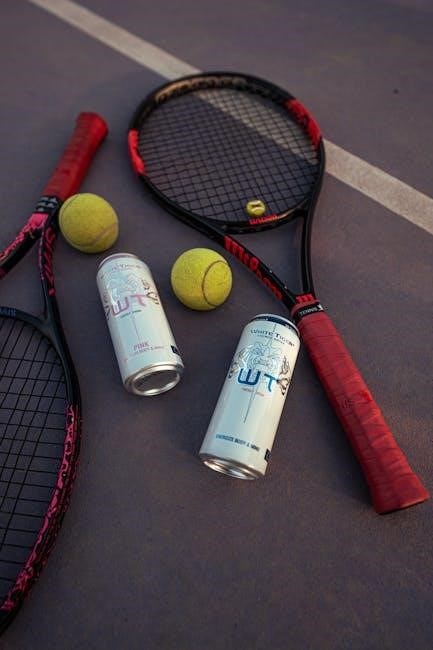
Lower string tensions are crucial for spin generation, allowing the strings to deform more and “grab” the ball. While monofilament strings can be used, they generally offer less spin potential than softer options. Consider strings marketed for their spin capabilities, like RPM Rough, which feature textured surfaces to maximize grip and control.
Strings for All-Around Players
All-around players require a versatile string setup that balances power, control, and feel. Synthetic gut strings are often the ideal choice, providing a neutral response suitable for various playing styles. They offer a good compromise between durability, comfort, and performance, making them a reliable option for players who don’t specialize in one particular area.
Medium string tensions are generally recommended for all-around players, offering a blend of power and control. Multifilament strings can also be considered for added comfort and feel, while a hybrid setup – combining synthetic gut with a softer multifilament – can further enhance playability. Experimentation is key to finding the perfect balance for your game.
Strings and Arm Comfort
Arm comfort is a crucial consideration for many tennis players, especially those prone to tennis elbow or other joint issues. Natural gut strings are renowned for their exceptional shock absorption and are often recommended for players seeking maximum comfort. They provide a soft, plush feel that minimizes vibrations and reduces stress on the arm.

Lower string tensions also contribute to increased comfort, as they allow the strings to flex more easily upon impact. Multifilament strings offer a good alternative to natural gut, providing a similar level of comfort at a more affordable price point. A thinner gauge string can also enhance comfort, but may sacrifice some durability.
Natural Gut for Tennis Elbow
For players battling tennis elbow, natural gut strings consistently emerge as a top recommendation due to their unparalleled ability to dampen vibrations. This inherent characteristic significantly reduces the impact force transmitted to the arm, lessening stress on the elbow joint and surrounding tissues. Natural gut’s exceptional elasticity and softness provide a uniquely comfortable hitting experience.
While more expensive than synthetic options, the investment in natural gut can be worthwhile for those seeking relief from pain and preventing further injury. It’s unrivaled in arm comfort, making it a preventative measure and a recovery aid; Combining natural gut with a softer synthetic gut in a hybrid setup can further enhance comfort and prolong string life.
Durability Considerations
String durability is a crucial factor, especially for frequent players or those with aggressive swings. A key determinant of string life is the gauge, or thickness, of the string. Thicker gauges offer significantly increased durability, resisting breakage and maintaining tension for longer periods. However, this comes at the cost of feel and comfort.
Conversely, thinner gauges provide more feel and spin potential but are prone to snapping more frequently. Players who break strings often should prioritize a thicker gauge or consider more durable string materials like monofilament or hybrid constructions. Playing style and tension also impact durability; higher tensions generally reduce string life.
Impact of Gauge on String Life
The gauge of your tennis strings directly correlates with their lifespan. Measured in millimeters (mm), a thicker gauge (e.g., 1.35mm or higher) boasts superior durability. These strings resist abrasion and snapping, making them ideal for players who frequently break strings or have powerful swings. However, thicker gauges generally offer less feel and comfort.
A thinner gauge (e.g., 1.20mm or lower) provides enhanced feel, control, and spin potential, but sacrifices longevity. These strings are more susceptible to fraying and breakage, requiring more frequent replacements. Choosing the right gauge involves balancing durability with desired playing characteristics. Consider your playing style and frequency of play when selecting a gauge.
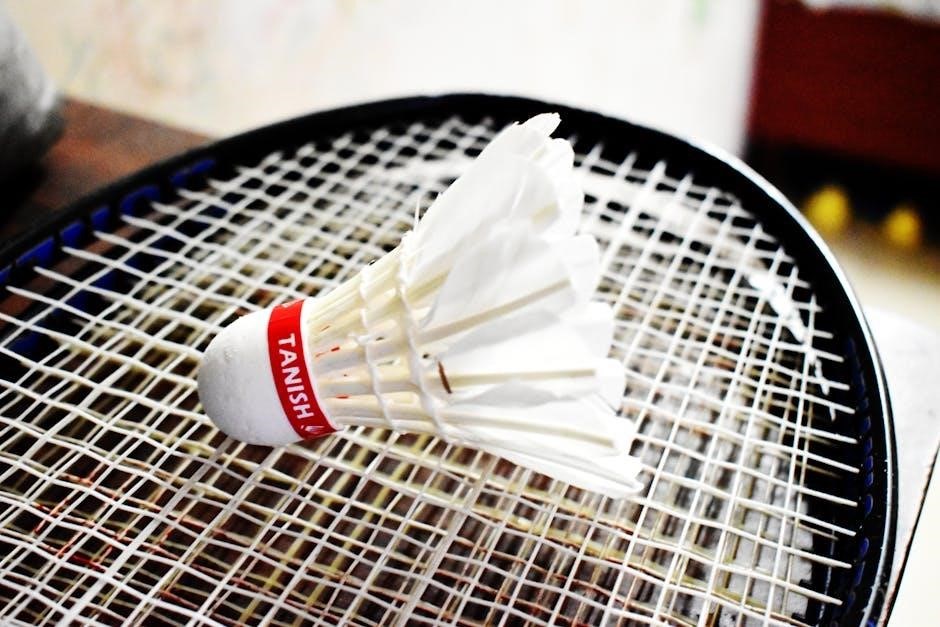
Hybrid Stringing Options
Hybrid stringing involves combining different string types within the same racquet, offering a blend of performance characteristics. Typically, a softer string is used in the mains (vertical strings) for comfort and ball pocketing, while a firmer string is used in the crosses (horizontal strings) for control and durability.
A popular combination is natural gut mains with a polyester cross, maximizing comfort and feel while maintaining control. Multifilament mains paired with synthetic gut crosses offer a balance of power and playability. Experimenting with hybrids allows players to tailor string performance to their specific needs, addressing weaknesses and enhancing strengths. It’s a great way to optimize performance!
Combining String Types for Optimal Performance
Strategic string combinations, or hybrid setups, unlock performance levels beyond what single-string setups can achieve. Players often pair a powerful, comfortable main string – like natural gut or multifilament – with a durable, control-oriented cross string, typically a monofilament or synthetic gut.
This approach balances key characteristics: the mains provide feel and launch angle, while the crosses enhance control and resilience. For example, combining RPM Blast crosses with a softer main boosts spin potential and durability for aggressive players. Careful consideration of string tensions within the hybrid is crucial for maximizing synergy and achieving the desired playing response.
Stringing Frequency Recommendations
Restringing frequency hinges on playing intensity and string type. Casual players (1-2 times/week) can often extend intervals to every 6-9 months. More frequent players (3+ times/week) should restring every 2-3 months to maintain optimal performance and prevent string breakage.
Monofilament and polyester strings lose tension faster than multifilament or natural gut, necessitating more frequent restringing. Noticeable signs it’s time for a restring include decreased ball pocketing, loss of spin potential, and increased string movement. Proactive restringing safeguards arm health and ensures consistent playability, ultimately enhancing your on-court experience. Don’t overlook this crucial aspect of racquet maintenance!
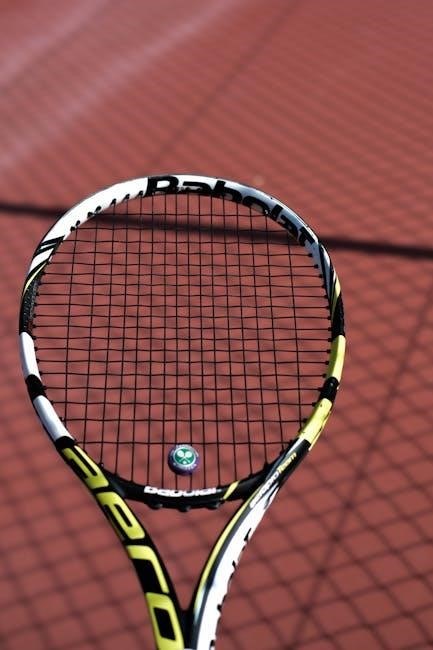
How Often Should You Restring?
Determining restringing frequency depends heavily on your playing habits. A general guideline suggests recreational players (1-2 times weekly) benefit from restringing every 6-9 months. However, competitive or frequent players (3+ times weekly) should consider restringing every 1-3 months for peak performance.
Polyester strings, popular for spin, lose tension rapidly, requiring more frequent changes. Signs indicating a need for restringing include diminished ball pocketing, reduced spin, and noticeable string movement. Ignoring these signals can compromise control and potentially increase the risk of arm discomfort. Prioritizing regular restringing is a small investment that yields significant improvements in your game and protects your body.
Popular String Brands
The tennis string market boasts numerous reputable brands, each offering unique technologies and string options. Babolat is a leading manufacturer, renowned for its RPM Blast and RPM Rough strings, favored by aggressive players seeking spin and durability. Wilson is another prominent brand, providing a wide range of strings catering to diverse playing styles, including natural gut and multifilament options.
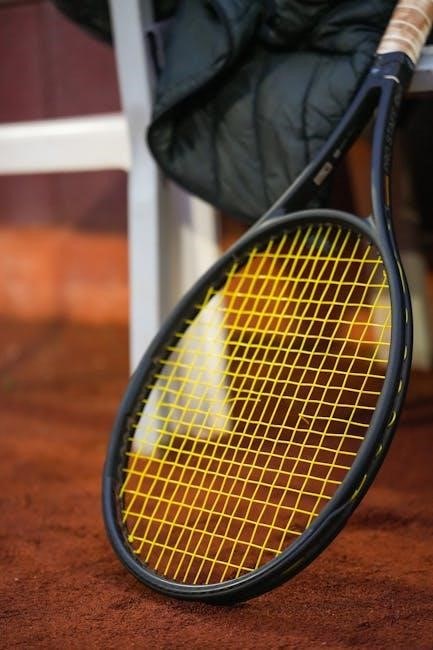
Luxilon, known for its high-quality monofilament strings, is popular among advanced players prioritizing control and precision. Head offers a comprehensive selection, from softer multifilaments to durable synthetic guts. Yonex also stands out, delivering innovative strings designed for enhanced power and feel. Exploring these brands allows players to discover the perfect string to optimize their game.
Overview of Leading Manufacturers
Babolat consistently ranks as a top manufacturer, deeply rooted in tennis history and innovation. They are particularly celebrated for their RPM string series, offering exceptional spin potential for aggressive baseliners. Wilson, a household name in sports, provides a broad spectrum of strings, from comfortable multifilaments to durable synthetic guts, appealing to all player levels.
Luxilon specializes in high-performance monofilament strings, favored by players demanding precision and control. Head distinguishes itself with a diverse portfolio, including softer options for arm comfort and durable choices for longevity. Yonex, leveraging advanced materials, delivers strings designed to maximize power and feel. These manufacturers continually push boundaries, enhancing string technology for optimal performance.
Struggling with your tennis game? Our guide breaks down everything about **tennis strings** – materials, tensions, and how to choose what’s best for *your* playstyle!