meat cutting instructions beef
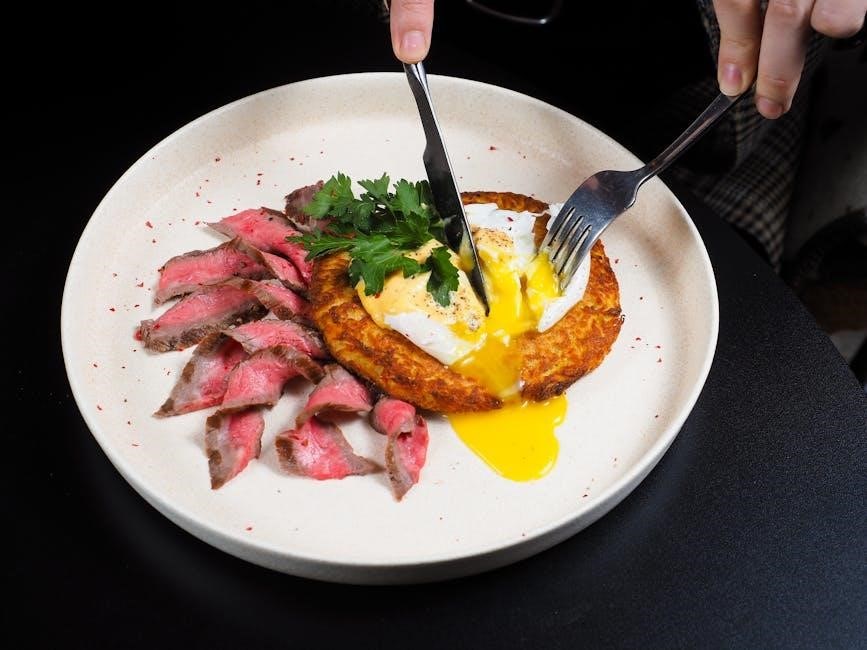
Beef Cutting Instructions: A Comprehensive Guide
Navigating beef cuts can be complex! This guide demystifies primal and sub-primal sections‚ offering cooking methods and insights for optimal flavor and tenderness․
Understanding Primal Cuts
Beef is strategically divided into eight primal cuts – chuck‚ rib‚ loin‚ round‚ brisket‚ flank‚ plate‚ and shank – each offering distinct characteristics․ These large sections dictate tenderness and best-suited cooking methods․ Understanding these foundational divisions is crucial for successful butchery and meal preparation․
Primal cuts aren’t retail cuts; they require further breakdown․ The chuck‚ for example‚ yields roasts and ground beef‚ while the rib provides prime rib and ribeye steaks․ Recognizing the location of each primal cut on the animal directly impacts the resulting meat’s texture and flavor profile․ Charts and diagrams are invaluable tools for visualizing this process‚ aiding both novice and experienced cooks․
The Chuck Primal Cut
The chuck‚ located at the shoulder‚ is known for its robust flavor due to significant muscle use․ It’s a tougher cut‚ making it ideal for braising‚ stewing‚ or slow cooking – methods that break down connective tissues․ This primal cut delivers rich‚ beefy results when prepared correctly․

Economically priced‚ the chuck is a versatile choice for everyday meals․ It’s often ground into beef for burgers or used in pot roasts․ While not typically suited for quick‚ high-heat cooking‚ the chuck’s depth of flavor makes it a cornerstone of many comforting dishes․ Proper preparation unlocks its potential‚ transforming a tougher cut into a tender and satisfying meal․
Sub-Primal Cuts of the Chuck
The chuck primal yields several valuable sub-primal cuts․ These include the chuck roast‚ blade roast‚ shoulder clod‚ and mock tender․ Chuck roasts benefit greatly from low and slow cooking‚ becoming incredibly tender after several hours․ Blade roasts‚ similarly‚ excel in braises and stews‚ offering a rich‚ savory flavor․
The shoulder clod can be further broken down into cuts like the shoulder pot roast or cubed steak․ The mock tender‚ despite its name‚ isn’t a true tenderloin but offers a relatively tender experience when marinated and cooked properly․ Understanding these sub-primal distinctions allows for targeted cooking methods‚ maximizing flavor and texture from this economical cut․
The Rib Primal Cut
The rib primal is renowned for its exceptional marbling and tenderness․ Located behind the chuck‚ this section contains the ribeye‚ arguably one of the most flavorful and desirable cuts of beef․ The rib primal is known for its rich taste due to the extensive intramuscular fat․
This primal is best suited for dry-heat cooking methods like grilling‚ roasting‚ or pan-searing‚ allowing the fat to render and create a succulent‚ flavorful experience․ Rib cuts are generally more expensive due to their quality and limited quantity per animal․ Proper handling and cooking are key to unlocking the full potential of this premium cut․
Popular Cuts from the Rib Section
The rib section yields several highly sought-after cuts․ The Ribeye Steak‚ both boneless and bone-in‚ is prized for its marbling and flavor․ Ribeye Roasts‚ often a centerpiece for special occasions‚ offer a similar rich taste; Back Ribs‚ while requiring longer cooking times‚ deliver a deeply satisfying‚ tender experience․
Prime Rib‚ a large ribeye roast‚ is a classic holiday dish․ These cuts benefit from simple seasoning to allow the beef’s natural flavors to shine․ Grilling or roasting at higher temperatures quickly sears the outside‚ locking in juices‚ while slower cooking ensures tenderness․ Understanding the nuances of each cut allows for perfectly cooked‚ flavorful results․
The Loin Primal Cut
The loin is renowned for its tenderness‚ representing some of the most premium beef cuts․ Located between the rib and round‚ it contains muscles that do minimal work‚ resulting in exceptionally soft textures․ This primal cut is generally leaner than the rib‚ but still boasts excellent marbling‚ contributing to its flavor․
Proper handling and cooking are key to maximizing the loin’s potential․ Cuts from the loin are often finished with dry-heat methods like grilling‚ broiling‚ or roasting․ Careful attention to internal temperature is crucial to avoid overcooking and maintain its delicate tenderness․ The loin is a favorite among steak enthusiasts for good reason!
Identifying Loin Cuts: Tenderloin & Strip Loin
The tenderloin‚ often called the psoas major‚ is the most tender cut‚ a long‚ narrow muscle best suited for quick‚ high-heat cooking․ It’s incredibly lean‚ so careful cooking prevents dryness․ Strip loin‚ or longissimus dorsi‚ offers a robust beefy flavor and slightly firmer texture than tenderloin․
Strip loin steaks‚ like New York strips‚ have a noticeable fat cap that renders during cooking‚ enhancing flavor․ Both cuts benefit from simple seasoning to showcase their natural qualities․ Visually‚ tenderloin is cylindrical‚ while strip loin is wider and flatter․ Understanding these differences helps you choose the perfect cut for your desired dining experience․
The Round Primal Cut
The round primal‚ originating from the rear leg of the cattle‚ is known for being lean and economical․ It requires careful cooking to avoid toughness‚ as it lacks significant marbling․ This cut yields several sub-primal cuts‚ each with unique characteristics․
Common round cuts include the top round‚ bottom round‚ and eye of round․ Top round is relatively tender and suitable for roasting or slicing thinly for sandwiches․ Bottom round benefits from braising or slow cooking․ Eye of round is the leanest and often used for roast beef․ Marinades and moist-heat methods are crucial for maximizing tenderness in round cuts․
Round Cut Characteristics & Cooking Methods
Round cuts are exceptionally lean‚ making them a healthier option‚ but also prone to dryness if not prepared correctly․ They possess a firm texture and relatively mild flavor‚ relying on seasoning and cooking technique for enhancement․ Due to their leanness‚ round cuts benefit greatly from marinades – ideally for at least several hours‚ or overnight․
Recommended cooking methods include braising‚ slow cooking‚ and roasting with added moisture․ For tougher cuts like bottom round‚ low and slow braising breaks down connective tissues․ Eye of round is best roasted quickly at high heat‚ then sliced thinly against the grain․ Avoid high-heat‚ fast cooking methods unless marinating extensively․
The Brisket Primal Cut
The brisket originates from the breast of the cow‚ a tough cut requiring low and slow cooking to become incredibly tender․ It’s known for its rich‚ beefy flavor and substantial marbling‚ making it a barbecue favorite․ Brisket is a large cut‚ typically weighing between 10-20 pounds‚ and is divided into two main sections: the flat and the point․
Understanding these sections is key to successful preparation․ The flat is leaner and more uniform in thickness‚ ideal for slicing․ The point is fattier and more flavorful‚ often used for burnt ends․ Proper trimming of excess fat is crucial before cooking‚ but leaving some fat cap intact helps retain moisture․
Brisket Variations: Flat Cut vs․ Point Cut
The brisket’s two primary sections‚ the flat and the point‚ offer distinct characteristics․ The flat cut‚ leaner and rectangular‚ is prized for beautiful brisket slices when cooked properly․ It benefits from careful monitoring during cooking to prevent dryness‚ as it lacks the point’s inherent fat․
Conversely‚ the point cut is richer and more marbled‚ boasting a higher fat content․ This makes it exceptionally flavorful and forgiving during long cooks․ Often cubed and returned to the smoker for “burnt ends‚” the point delivers intense beefy goodness․ Many pitmasters prefer cooking the flat and point together for balanced flavor and moisture․
The Flank Primal Cut
Located beneath the loin‚ the flank primal cut is known for its long‚ flat muscle fibers․ This results in a flavorful‚ yet relatively tough cut of beef‚ requiring specific preparation techniques to maximize tenderness․ Flank steak‚ the most popular cut from this primal‚ is best when marinated for several hours – ideally overnight – to break down those fibers․
Proper slicing is crucial; always cut against the grain to shorten the muscle fibers․ High-heat cooking methods like grilling or searing are ideal‚ achieving a quick cook time to prevent over-toughness․ Flank steak excels in fajitas‚ stir-fries‚ and London broils․
Flank Steak: Marinades & Cooking Techniques
Marinades are essential for tenderizing flank steak․ Acidic ingredients like citrus juice‚ vinegar‚ or yogurt break down muscle fibers․ Combine these with oil‚ herbs‚ spices‚ and aromatics like garlic and soy sauce for maximum flavor penetration․ Marinate for at least four hours‚ but overnight is preferable․
When cooking‚ high heat is key․ Grill or sear over medium-high to high heat for 2-3 minutes per side for medium-rare․ Avoid overcooking‚ as it quickly becomes tough․ Always slice thinly against the grain – this dramatically improves tenderness․ Resting the steak for 10 minutes before slicing allows juices to redistribute‚ enhancing flavor and moisture․
The Plate Primal Cut
The plate primal cut‚ located below the rib and chuck‚ is known for its rich flavor and abundant marbling․ It’s a relatively tough cut‚ best suited for slow-cooking methods that break down connective tissues․ This section yields popular cuts like short ribs‚ prized for their intense beefy taste when braised or smoked․
Skirt steak‚ another plate cut‚ is thin and flavorful‚ ideal for quick grilling or stir-frying – remember to slice against the grain! The plate also provides hanger steak‚ a tender and flavorful cut often compared to flank steak․ Due to its location and usage‚ the plate primal requires careful trimming and preparation to maximize its culinary potential․
Plate Cuts: Short Ribs & Skirt Steak
Short ribs‚ cut across the bones‚ are incredibly flavorful and benefit from low and slow cooking․ Braising in red wine or smoking are excellent methods‚ yielding fall-off-the-bone tenderness․ English-cut‚ flanken-style‚ and Korean-style short ribs offer varied presentations and cooking times․
Skirt steak‚ a thin‚ long muscle‚ demands quick‚ high-heat cooking․ Marinating for at least 30 minutes tenderizes and adds flavor․ Grill or pan-sear to medium-rare‚ then slice thinly against the grain for maximum tenderness․ It’s perfect for fajitas‚ stir-fries‚ or London broil․ Proper slicing is crucial for enjoying this flavorful cut!
The Shank Primal Cut
The shank‚ encompassing the leg portion‚ is a tough cut requiring extended cooking to break down its connective tissues․ This makes it ideal for braising and stewing‚ where long‚ slow simmering transforms it into a remarkably tender and flavorful component․ Osso buco‚ a classic Italian dish‚ showcases the shank’s marrow-rich bone․
Shank cross-cuts are commonly used for soups and stews‚ imparting a rich‚ beefy depth․ The meat surrounding the bone becomes incredibly succulent during prolonged cooking․ Don’t discard the bone; it adds significant flavor to stocks and broths․ Patience is key when working with shank cuts – the reward is well worth the effort!
Utilizing Shank Cuts: Braising & Stewing
Braising and stewing are the quintessential methods for unlocking the shank’s potential․ These techniques involve searing the shank to develop a rich crust‚ then slowly cooking it in liquid – often wine‚ broth‚ or a combination – until fork-tender․ The low and slow approach breaks down collagen‚ resulting in incredibly moist and flavorful meat․
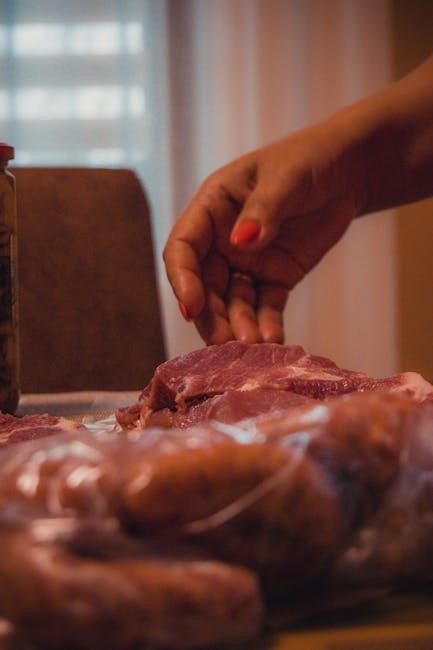
Consider adding aromatic vegetables like carrots‚ celery‚ and onions to the braising liquid․ Herbs such as thyme and rosemary complement the beef beautifully․ Ensure the shank is mostly submerged in liquid for even cooking․ A Dutch oven is ideal for braising‚ providing even heat distribution and retention․ The resulting sauce is a delicious accompaniment to mashed potatoes or polenta․
Beef Cutting Tools & Equipment
Successful beef cutting relies on having the right tools․ A sharp‚ heavy-duty chef’s knife (8-10 inches) is essential for general purpose cutting․ A boning knife‚ with its flexible blade‚ is crucial for separating meat from bone․ A cleaver is invaluable for breaking down larger bones and tougher cuts․
Beyond knives‚ a sturdy cutting board (wood or plastic) is vital․ Consider a sharpening steel to maintain blade sharpness․ Gloves provide grip and hygiene․ For larger cuts‚ a meat saw can be incredibly helpful․ Proper sanitation is paramount; have cleaning supplies readily available․ Investing in quality tools will significantly improve your cutting experience and safety․

Essential Knife Skills for Beef Cutting
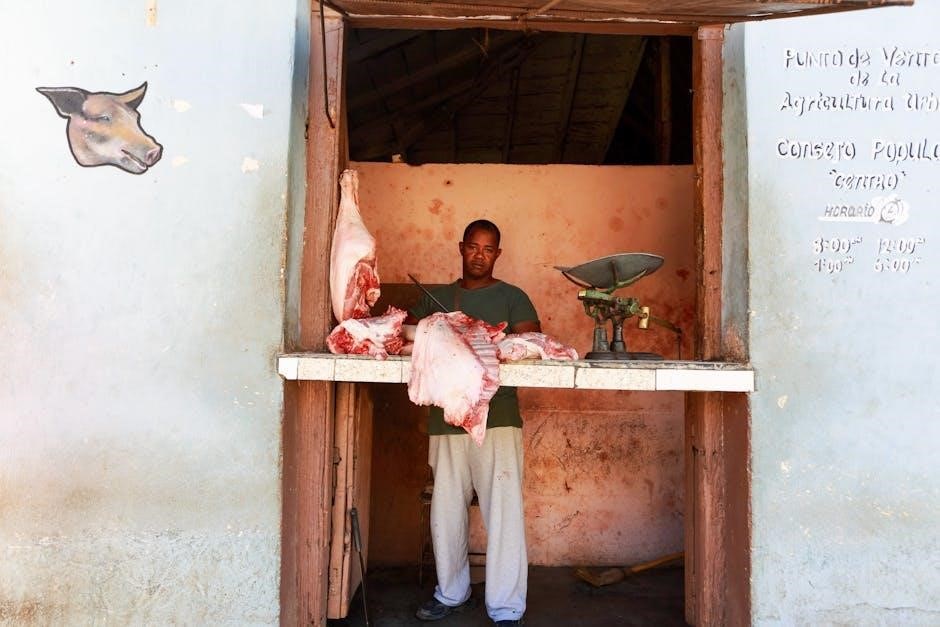
Mastering basic knife skills is paramount for safe and efficient beef cutting․ The “claw grip” – tucking fingertips under – protects them while guiding the blade․ Practice a rocking motion‚ using the blade’s curve for smooth cuts․ Learn to slice with the grain for tenderness‚ or against it for chewiness․
Proper technique minimizes waste and maximizes yield․ Develop control for precise trimming of fat and silver skin․ Understand how to efficiently separate muscles and follow natural seams․ Consistent practice builds muscle memory and confidence․ Always prioritize safety; a dull knife is more dangerous than a sharp one!
Food Safety Considerations When Cutting Beef
Maintaining strict hygiene is crucial when handling raw beef․ Always begin with a thoroughly cleaned and sanitized cutting surface and tools․ Keep beef refrigerated below 40°F (4°C) and avoid leaving it at room temperature for more than two hours․ Prevent cross-contamination by using separate cutting boards and utensils for raw meat and other foods․
Wash hands frequently with soap and warm water‚ especially after touching raw beef․ Thoroughly clean and sanitize all surfaces that have come into contact with the meat․ Proper handling minimizes the risk of foodborne illness and ensures a safe culinary experience․ Remember to cook beef to a safe internal temperature․
Storing Cut Beef Properly
Proper storage is vital for maintaining beef quality and safety․ Wrap cut beef tightly in plastic wrap‚ then in freezer paper‚ or use vacuum sealing for extended storage․ Refrigerated beef should be used within 3-5 days‚ while frozen beef can last for several months‚ depending on the cut․
Label and date all packages to track storage time․ Thaw frozen beef safely in the refrigerator‚ never at room temperature․ Once thawed‚ use promptly․ Maintaining consistent cold temperatures prevents bacterial growth and preserves flavor․ Proper storage ensures your beef remains delicious and safe to consume․
Understanding Beef Grading (USDA)
USDA beef grading assesses quality and consistency․ The primary grades are Prime‚ Choice‚ Select‚ Standard‚ and Commercial‚ based on marbling (intramuscular fat) and maturity․ Prime boasts abundant marbling‚ offering exceptional tenderness and flavor – it’s the highest grade․
Choice has less marbling than Prime but still delivers good flavor and tenderness․ Select is leaner with minimal marbling‚ suitable for marinating or braising․ Grading impacts price; Prime commands a premium․ Understanding these grades helps you select beef that meets your culinary needs and budget expectations‚ ensuring a satisfying dining experience․
Cooking Methods Based on Beef Cut
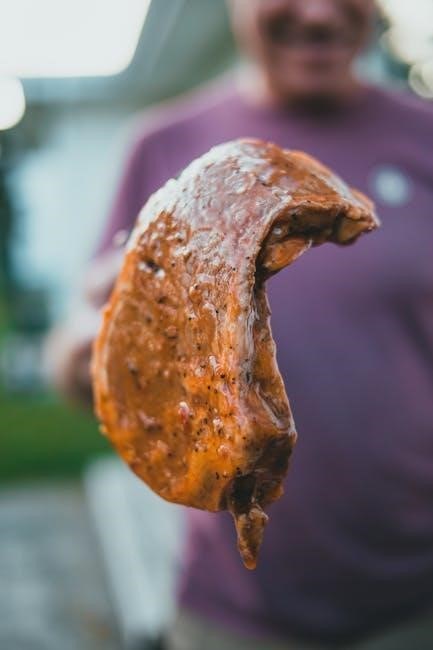
Different cuts require distinct cooking approaches․ Tender cuts like tenderloin and strip loin excel with quick‚ high-heat methods – grilling‚ searing‚ or roasting․ Tougher cuts‚ such as chuck or brisket‚ benefit from slow‚ moist heat – braising‚ stewing‚ or smoking – to break down connective tissues․
Flank steak thrives with marinades and quick grilling․ Ribeye is versatile‚ suitable for grilling or pan-searing․ Understanding a cut’s characteristics dictates the best method for optimal tenderness and flavor․ Experimentation is key‚ but matching technique to cut ensures consistently delicious results․
Printable Beef Cuts Chart Resources
Visual aids are invaluable when learning beef cuts! Numerous online resources offer downloadable beef cut charts and diagrams․ These charts clearly illustrate primal and sub-primal locations‚ helping you identify cuts at the butcher or when preparing your own beef․
Websites provide free PDF downloads showcasing the entire cow breakdown‚ labeling each cut with its common name and suggested cooking methods․ Adobe Stock also offers royalty-free images for reference․ Utilizing these printable resources streamlines the learning process and enhances your meat-cutting knowledge‚ ensuring informed purchasing and preparation․
Finding a Reputable Butcher
A skilled butcher is an invaluable resource! Seeking out a reputable butcher provides access to expert advice‚ custom cuts‚ and higher-quality beef․ Look for butchers with clean facilities‚ knowledgeable staff willing to answer questions‚ and a commitment to sourcing quality meat․
Don’t hesitate to ask about the origin of the beef and their cutting practices․ A good butcher can guide you through different cuts‚ recommend cooking methods‚ and even custom-cut beef to your specifications․ Watching a butcher break down a side of beef‚ like the Bearded Butchers on YouTube‚ can also increase your understanding․
Resources for Further Learning (Videos & Guides)
Expand your beef-cutting knowledge with readily available online resources! Numerous videos and guides offer visual demonstrations and detailed explanations․ YouTube channels like the Bearded Butchers provide comprehensive breakdowns of beef carcasses‚ showcasing primal and sub-primal cuts․
Explore printable beef cut charts and diagrams – many are available as free PDFs for easy reference․ Websites dedicated to cooking and butchery‚ as well as those from organizations like the Beef Checkoff‚ offer detailed information on cooking methods tailored to specific cuts․ These resources empower you to confidently navigate the butcher counter and prepare delicious beef meals․
Unlock the art of beef butchery! Our easy-to-follow guide covers everything from primal cuts to perfect steaks. Downloadable instructions & charts now! **Beef cutting** made simple.