ohio mushroom identification guide
Ohio Mushroom Identification Guide: An Overview
Ohio’s diverse ecosystems support a fascinating array of fungi, from spring morels to autumn puffballs․ This guide provides essential information for safe and accurate mushroom identification․
Ohio boasts remarkable fungal diversity, influenced by its varied habitats – forests, fields, and even urban landscapes․ From the highly sought-after morel mushrooms appearing in springtime, to the substantial giant puffballs fruiting with ideal weather, the state’s fungi play crucial ecological roles․ They act as decomposers, nutrient cyclers, and even form symbiotic relationships with trees․
Understanding Ohio’s fungal kingdom requires recognizing that mushrooms are merely the fruiting bodies of vast, often unseen, underground networks called mycelium․ Successful identification demands careful observation, attention to detail, and a commitment to safety․ This guide aims to equip both novice and experienced foragers with the knowledge needed to explore and appreciate Ohio’s fascinating fungi responsibly․
Safety Precautions for Mushroom Foraging
Mushroom foraging in Ohio demands utmost caution․ Never consume a wild mushroom unless you are 100% certain of its identification – misidentification can be fatal․ Start with positive identification, focusing on a few easily recognizable species․ Always use multiple identification resources, including field guides and expert opinions․
Avoid collecting mushrooms from polluted areas, roadsides, or treated lawns․ Be aware of look-alikes, as many edible species have poisonous counterparts․ When in doubt, throw it out! Carry a basket or mesh bag for air circulation, and never use plastic bags․ Inform someone of your foraging location and expected return time․ Respect private property and obtain necessary permits․
Common Edible Mushrooms of Ohio
Ohio boasts several delectable edible mushrooms, including morels, chanterelles, oyster mushrooms, and giant puffballs, each offering unique flavors and culinary possibilities for foragers․
Morel Mushrooms: The Spring Delight
Morel mushrooms are highly prized by foragers in Ohio, appearing each spring and sparking enthusiastic hunts․ These distinctive fungi possess a honeycomb-like cap, ranging in color from pale yellow to dark brown․ They are typically found near elm, ash, and apple trees, often after rainfall․
Identifying morels requires careful attention, as they have look-alikes․ True morels are hollow inside, while false morels are often solid or contain cottony filling․ Ohio enthusiasts eagerly anticipate the morel season, enjoying these earthy, flavorful mushrooms in various culinary creations․ Remember responsible foraging practices to ensure sustainability for future harvests․ Questions about identification circulate annually, highlighting their popularity․
Chanterelle Mushrooms: Golden Treasures
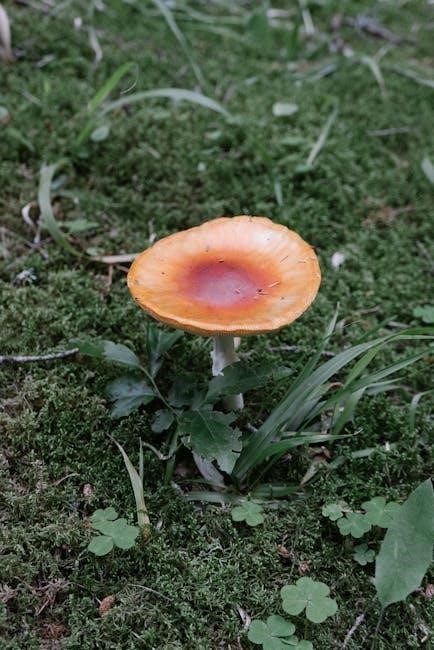
Chanterelle mushrooms, often called “golden treasures,” are another sought-after edible species in Ohio; These fungi boast a vibrant yellow to orange hue and a fruity aroma․ They typically grow on the ground in hardwood forests, forming mycorrhizal relationships with trees like oaks and beeches․
Distinguishing chanterelles involves noting their false gills – blunt, forked ridges that run down the stem․ Unlike true gills, they are not easily separated from the cap․ Their firm texture and apricot-like scent are also key identifiers․ Ohio foragers appreciate chanterelles for their delicate flavor, perfect in sauces, soups, and sautéed dishes․ Careful identification is crucial to avoid look-alikes․
Oyster Mushrooms: A Versatile Choice
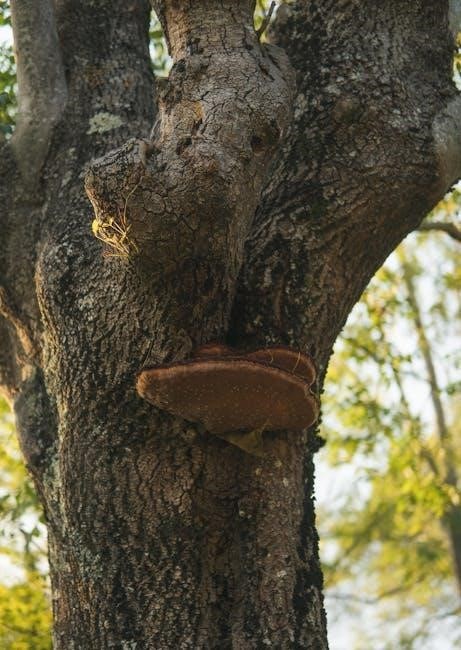
Oyster mushrooms are a popular and relatively easy-to-identify edible species found in Ohio․ They typically grow on decaying hardwood trees, often appearing in clusters․ Their color can vary from white to gray or even brownish, resembling the shape of oyster shells – hence the name․
Key identification features include their decurrent gills (running down the stem), lack of a ring on the stalk, and a mild, slightly seafood-like aroma․ Oyster mushrooms are incredibly versatile in the kitchen, absorbing flavors well and working beautifully in stir-fries, soups, and as a meat substitute․ Always confirm identification before consumption, as some look-alikes exist․
Giant Puffball Mushrooms: A Substantial Find
Giant puffball mushrooms (Calvatia gigantea) are truly impressive fungi, capable of reaching enormous sizes – sometimes exceeding a foot in diameter! They are found in fields, meadows, and along roadsides across Ohio, typically appearing in late summer and fall․ These are saprophytic, meaning they feed on decaying organic matter․
A crucial identification point is the pure white, homogenous interior when young․ As they mature, the inside turns yellowish, then brownish, and eventually releases spores․ Only consume puffballs when the flesh is completely white and firm․ Avoid any with a developing yellow or brown color, or a firm outer skin with a powdery interior․
Potentially Poisonous Mushrooms in Ohio
Ohio harbors several toxic mushrooms, including Amanita species and Galerina marginata․ Accurate identification is paramount, as misidentification can lead to severe illness or death․
Amanita Species: Deadly Look-Alikes
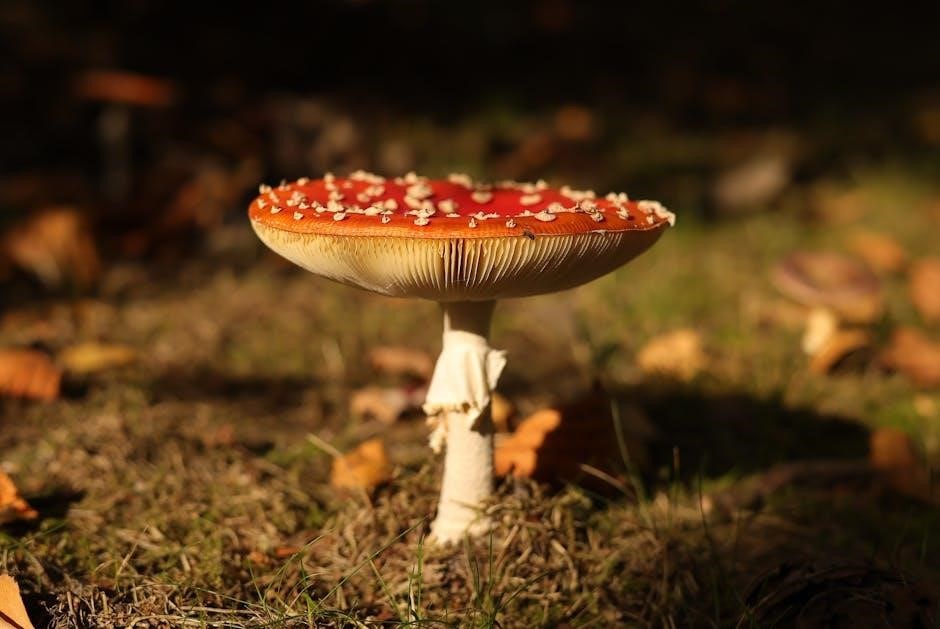
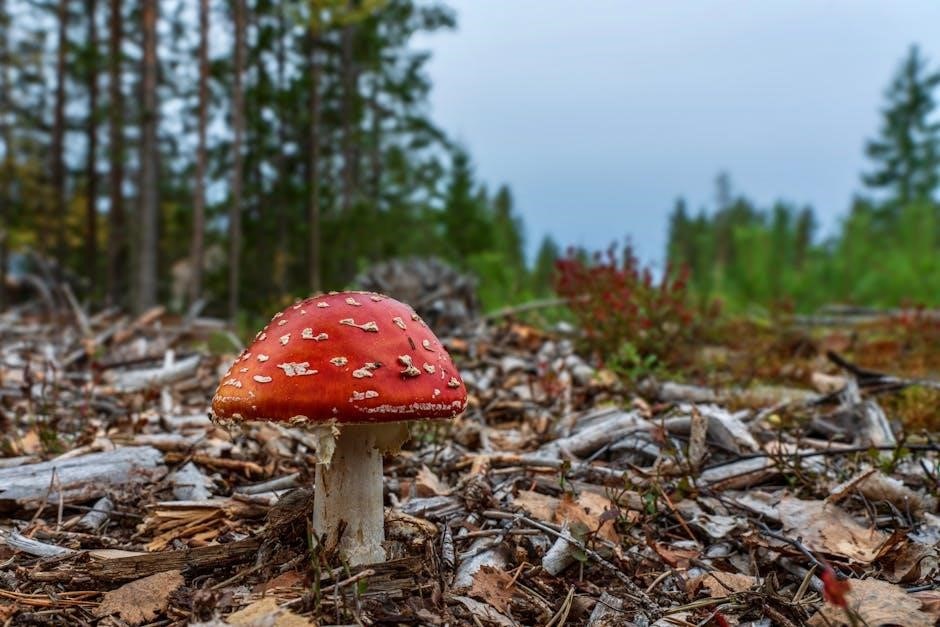
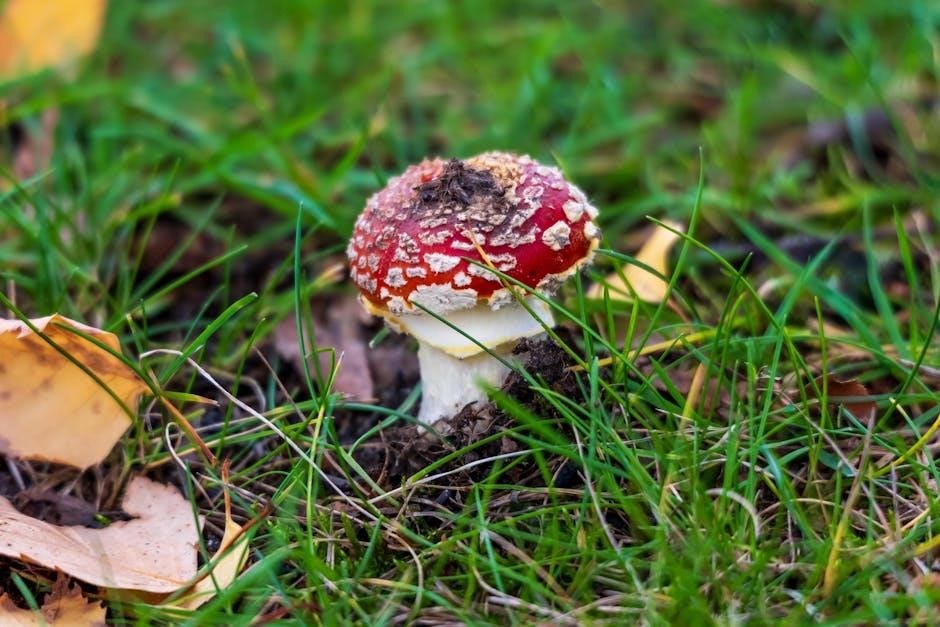
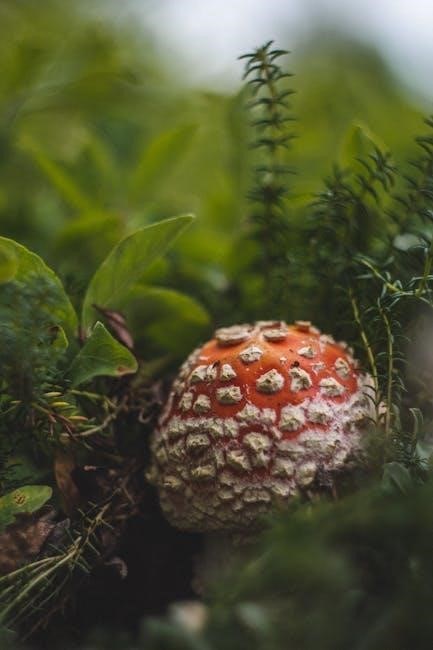
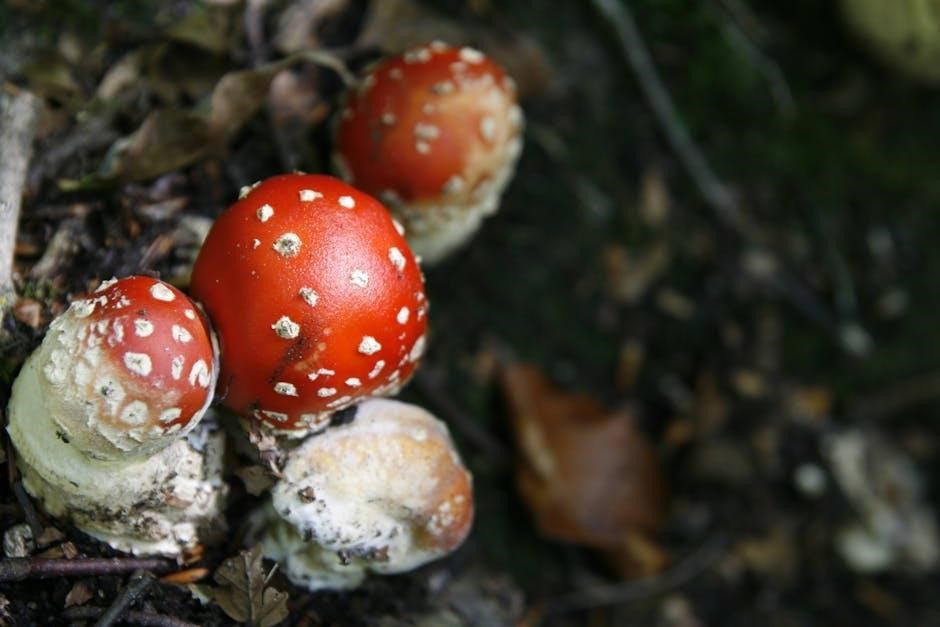
Amanita mushrooms represent some of the most dangerous fungi in Ohio, notorious for containing potent toxins like amatoxins; Several Amanita species, including the Destroying Angel (Amanita virosa) and Death Cap (Amanita phalloides), are responsible for the majority of fatal mushroom poisonings worldwide․ These species often present a deceptively appealing appearance, with white or pale caps and a ringed stalk, leading to misidentification․
Beginner foragers must be exceptionally cautious, as young Amanita mushrooms can resemble edible varieties․ Key identifying features include the presence of a volva – a sac-like structure at the base of the stalk – and white gills that are free from the stalk․ Always exercise extreme caution and avoid consuming any mushroom unless you are 100% certain of its identification․ Consulting with an expert is highly recommended․
Galerina Marginata: The Deadly Galerina
Galerina marginata, commonly known as the Deadly Galerina, is a small, brown mushroom found in Ohio that poses a significant threat to foragers․ It contains the same deadly amatoxins as the Amanita species, causing severe liver damage and often leading to fatality if ingested․ This mushroom frequently grows on decaying wood, particularly conifers, and can be easily mistaken for edible Kuehneromyces mutabilis (Sheathed Woodtuft)․
Distinguishing features include its rusty-brown spore print, closely spaced gills, and a ring on the upper stalk that may disappear with age․ Never consume any small, brown mushroom growing on wood without absolute certainty of its identification․ Proper identification requires microscopic examination, making expert consultation crucial for safe foraging practices․
False Morels: Avoiding Confusion
False morels (Gyromitra species) appear in Ohio springs alongside true morels, creating a dangerous potential for misidentification․ Unlike the pitted cap of true morels, false morels possess a brain-like, wrinkled, or saddle-shaped cap․ They are often reddish-brown and can range in size․ Crucially, false morels contain gyromitrin, a toxin converted to monomethylhydrazine – a rocket fuel component – upon ingestion․
Cooking does not reliably eliminate the toxin, and consumption can lead to severe illness or death․ Always slice the mushroom lengthwise; true morels are hollow, while false morels are filled or have cottony material inside․ When in doubt, discard it – the risk is simply too great․
Identifying Mushrooms: Key Characteristics
Accurate identification relies on observing several features: cap shape, gill attachment, stalk details, spore print color, and habitat․ Careful documentation is crucial for safety․
Spore Prints: A Crucial Identification Tool
Creating a spore print is a fundamental step in mushroom identification, revealing a hidden characteristic vital for accurate classification․ To obtain a spore print, remove the mushroom’s cap and place it, gills-down, on a piece of paper – both white and dark paper are recommended for contrasting visibility․ Cover the cap with a glass or bowl to maintain humidity․
Allow several hours, or even overnight, for spores to fall and create a powdery pattern․ The spore print color is a key identifier; variations range from white, cream, pink, brown, to black․ This seemingly simple technique provides invaluable clues, helping to differentiate between similar-looking species, especially within the Amanita genus, where spore color is critical for distinguishing between deadly and edible varieties․ Always consult multiple identification resources alongside your spore print results․
Cap and Gill Morphology
Examining the cap and gills is paramount in Ohio mushroom identification․ Note the cap’s shape – convex, flat, umbonate (with a central bump), or depressed․ Observe its surface texture: smooth, scaly, sticky, or dry․ Color variations are also significant, and can change with age or weather․
Gills, found underneath the cap, exhibit diverse arrangements․ Are they free (not attached to the stalk), adnate (attached broadly), or decurrent (running down the stalk)? Gill spacing – crowded, close, or distant – is also crucial․ Note the gill color and whether they bruise when touched․ These morphological details, combined with other characteristics, contribute to a more precise identification, aiding in distinguishing edible species from potentially harmful look-alikes․
Stalk Characteristics and Features
The stalk, or stipe, provides vital clues for Ohio mushroom identification․ Assess its length and diameter, noting any swelling or tapering․ Observe the stalk’s surface – smooth, fibrous, scaly, or ringed․ A ring, or annulus, is a remnant of the partial veil and its presence or absence is key․
Examine the base of the stalk for a volva, a cup-like structure indicating an Amanita species – often poisonous․ Note the stalk’s color and whether it bruises when handled․ Is it central, eccentric, or absent? These characteristics, alongside cap and gill features, are essential for accurate species determination and safe foraging practices in Ohio’s diverse fungal habitats․
Resources for Ohio Mushroom Identification
Numerous resources aid Ohio mushroom hunters, including the Ohio Mushroom Society, online databases, and specialized field guides tailored to the state’s fungal diversity․
Ohio Mushroom Society
The Ohio Mushroom Society (OMS) stands as a premier resource for both novice and experienced mycophiles throughout the state․ Dedicated to the study, conservation, and enjoyment of fungi, the OMS fosters a vibrant community through regular forays – guided mushroom hunting expeditions – and educational workshops․ These events provide invaluable hands-on learning opportunities, allowing members to enhance their identification skills alongside experienced mycologists․
Furthermore, the OMS actively promotes responsible foraging practices, emphasizing the importance of sustainable harvesting and habitat preservation․ Membership offers access to a wealth of knowledge, including expert advice, identification assistance, and a network of fellow enthusiasts․ The society’s website and newsletter serve as crucial platforms for sharing information about upcoming events, recent discoveries, and relevant news within the Ohio mycology world․
Online Mushroom Identification Databases
Numerous online databases offer valuable tools for mushroom identification, complementing field guides and expert knowledge․ Mushroom Observer, a collaborative platform, allows users to submit photos and receive identification suggestions from a community of mycologists․ iNaturalist, another popular option, leverages image recognition and citizen science to aid in species identification, including fungi found in Ohio․
However, it’s crucial to exercise caution when relying solely on online resources․ Cross-reference information from multiple sources and prioritize databases with robust verification processes․ Websites like MycoBank and Index Fungorum provide taxonomic data and scientific names, aiding in accurate identification․ Remember that online identification should always be confirmed by an expert before consumption, as misidentification can have serious consequences․
Field Guides Specific to Ohio
While general mushroom identification guides are helpful, those specifically focused on Ohio’s fungal flora are invaluable․ “Mushrooms of the Midwest” by Steven Trudell and Joe McFarland often includes species found within Ohio, providing detailed descriptions and habitat information․ Local resources, such as publications from the Ohio Mushroom Society, can offer regionally specific insights․
A quality field guide should feature clear photographs or illustrations, detailed macroscopic descriptions (cap shape, gill attachment, stalk characteristics), and information on habitat and seasonality․ Consider guides with keys – branching decision trees – to narrow down possibilities․ Remember that field guides are tools, and practical experience alongside expert guidance remains essential for confident identification․ Always verify findings with multiple sources․
Legal Considerations for Mushroom Collecting
Always obtain permission before foraging on private land․ Public lands may require permits or have restrictions on collection amounts and species․ Respect all regulations!
Regulations and Permits
Ohio doesn’t have statewide regulations specifically addressing recreational mushroom collecting, but it’s crucial to understand that rules vary significantly by location․ State forests, state parks, and national forests each have their own guidelines․ Generally, personal use collection is permitted, but commercial harvesting usually requires a license․
Always check with the managing authority – Ohio Department of Natural Resources (ODNR) for state lands, or the specific park/forest office – before collecting․ Some areas may be closed to foraging entirely, or have limits on the quantity you can take․ It’s also vital to avoid disturbing the habitat beyond necessary collection․ Ignoring these regulations can lead to fines or other penalties․ Prioritize responsible foraging practices to ensure sustainability․
Private vs․ Public Land
Mushroom foraging differs significantly depending on whether you’re on public or private land in Ohio․ Public lands, like state forests and parks, generally allow foraging for personal consumption, but always verify specific rules with the managing agency․ Permission is absolutely essential for collecting on private property․ Never trespass; always obtain explicit consent from the landowner before entering and foraging․
Respect property boundaries and leave the land as you found it․ Building relationships with landowners can open access to productive foraging spots․ Remember, even if land appears unused, it’s still owned by someone․ Ethical foraging includes respecting both the environment and private property rights, ensuring continued access for all․
Mushroom Look-Alikes and Common Mistakes
Identifying mushrooms requires diligence; toxic species often resemble edible ones․ Misidentification is a serious risk, emphasizing the need for careful study and expert guidance․
Distinguishing Edible from Toxic Species
Successfully differentiating between safe and poisonous mushrooms in Ohio demands meticulous attention to detail․ Relying on general rules is dangerous; many toxic species closely mimic edible varieties․ Key characteristics like cap color, gill attachment, and the presence or absence of a volva are crucial․
Spore prints are invaluable, revealing spore color – a vital identification factor․ Always cross-reference findings with multiple reliable sources, including field guides and expert opinions․ Never consume a mushroom unless 100% certain of its identification․ Remember, even experienced foragers can make mistakes, highlighting the importance of caution and continuous learning․ Prioritize safety above all else when exploring Ohio’s fungal diversity․
Avoiding Misidentification Pitfalls
Misidentification is the most significant risk in mushroom foraging․ Variations within species, environmental factors, and maturity stages can alter appearance․ Don’t solely rely on photographs; they often misrepresent subtle but critical features․ Be wary of “rules of thumb” – they are frequently inaccurate and can lead to severe consequences․
Always consider the mushroom’s habitat, substrate (what it’s growing on), and surrounding vegetation․ Document observations thoroughly, noting all characteristics before attempting identification․ When in doubt, discard the mushroom․ Joining a local mycological society provides access to expert knowledge and guided forays, significantly reducing the risk of errors․ Prioritize caution and verification․
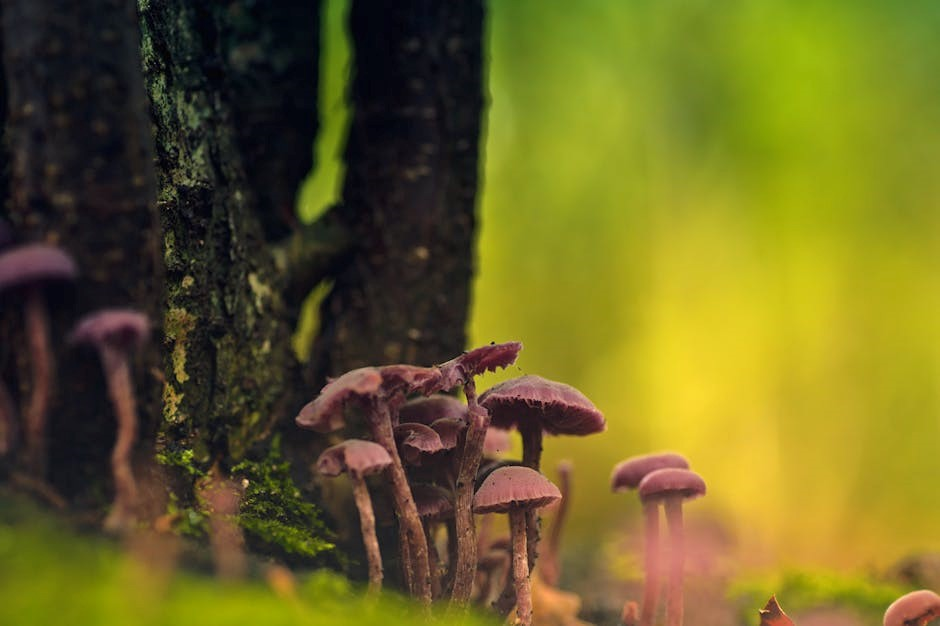
Uncover the fascinating world of Ohio mushrooms! Our guide helps you confidently identify edible & poisonous varieties. Safe foraging starts here – explore now!